By Fatima Bokhari
In fashion, we often talk about craftsmanship. But what if a dress took months to make?
Not because it was couture. Not because it belonged to a runway collection. But because every geometric motif, every mirrored detail, and every tiny stitch was embroidered by hand, exactly as women have done for centuries.
Welcome to the world of the Balochi dress. Long cherished across Balochistan and passed from one generation of women to the next, these remarkable garments are becoming some of fashion’s most coveted pieces among collectors, travelers, and women seeking something increasingly rare in modern wardrobes: authenticity.
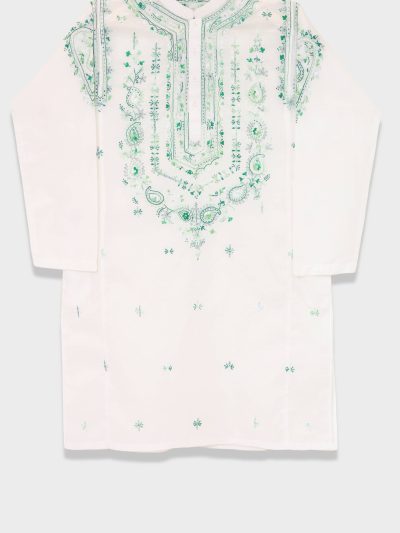
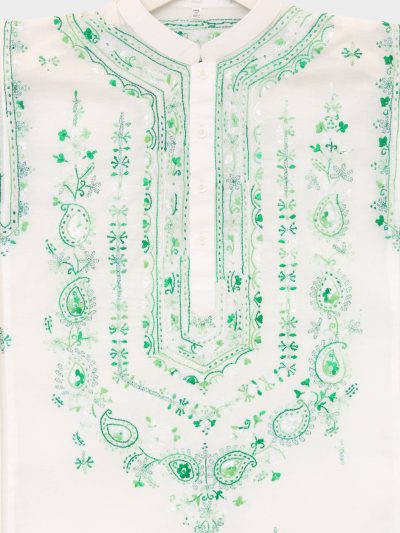
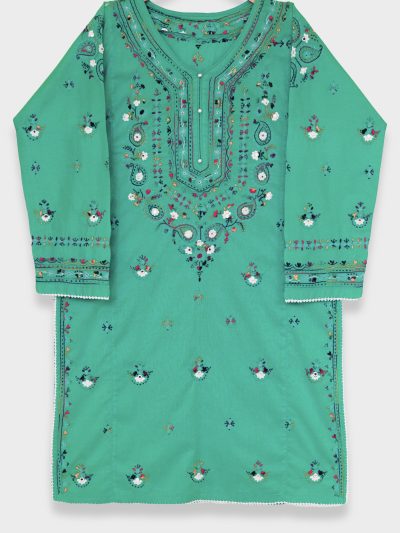
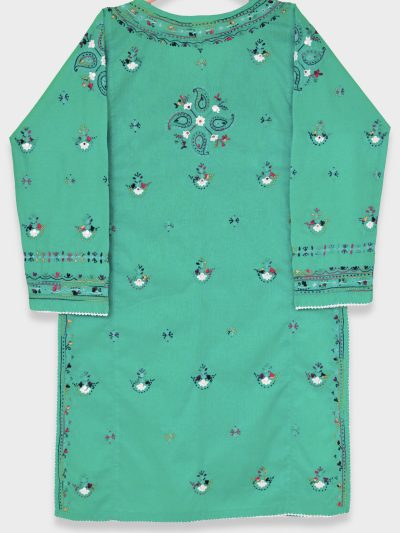
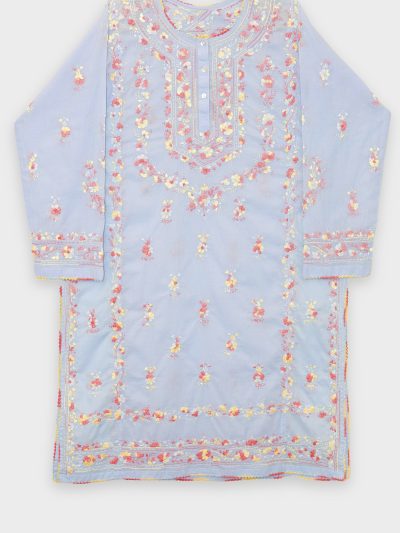
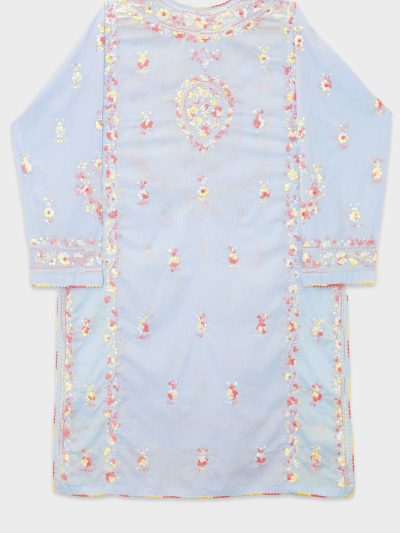
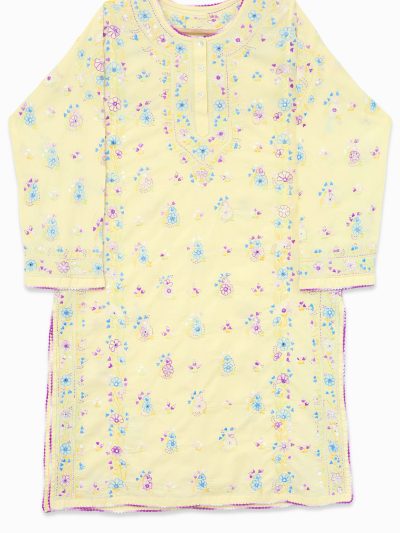
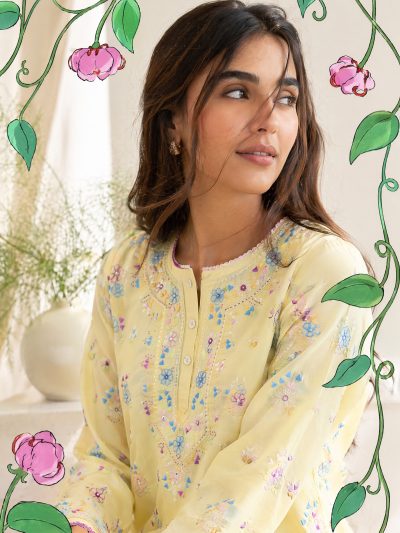
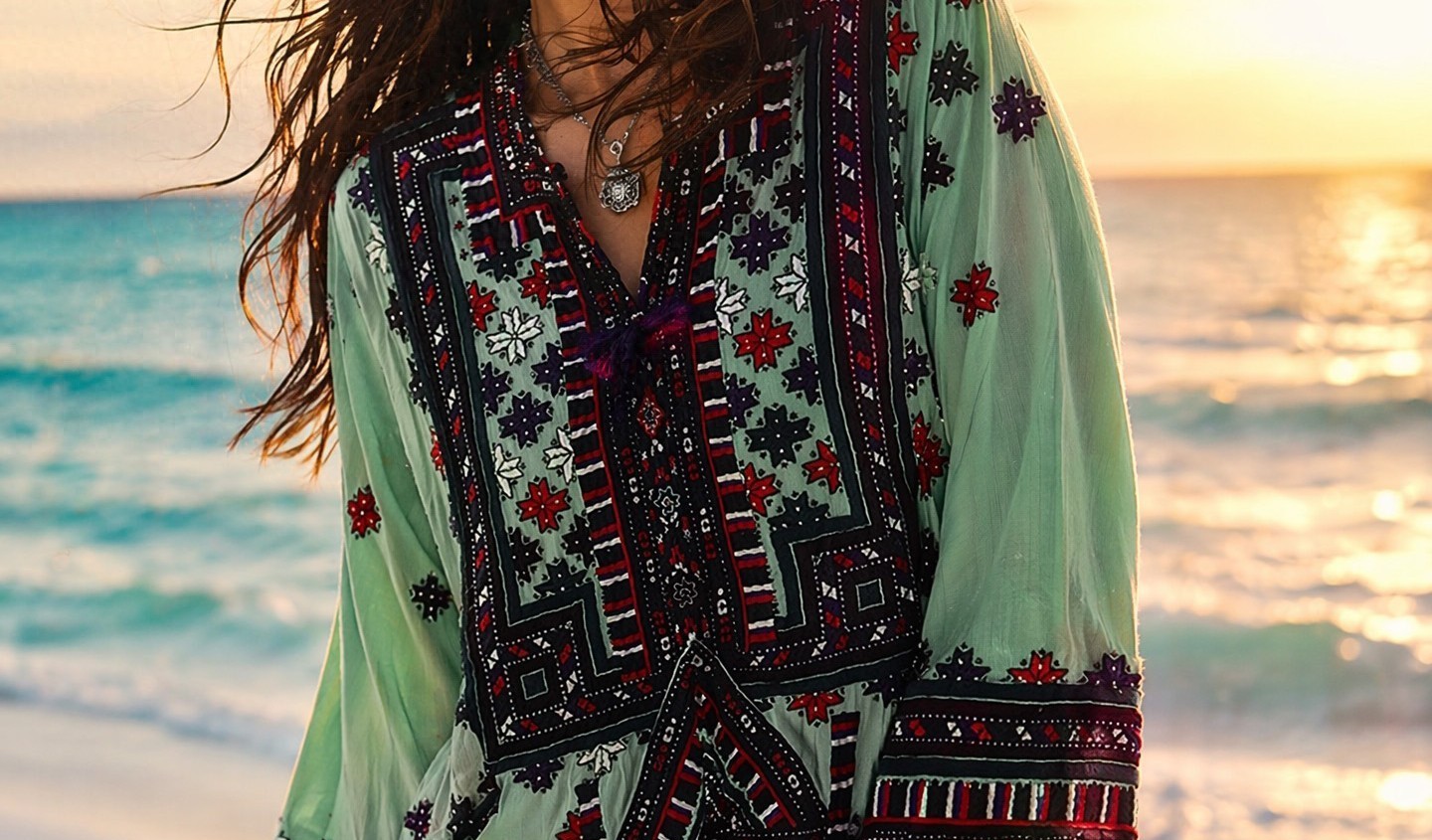
At first glance, a Balochi dress is striking. The dense embroidery immediately catches the eye, often covering large sections of the chest, sleeves, and hems in intricate patterns that resemble miniature mosaics. Stunning really. Look closer and the details become even more astonishing. Tiny counted stitches form elaborate geometric designs that require extraordinary precision, patience and skill. Not an ordinary feat, mind you.
And unlike the embellished garments filling today’s luxury stores, these dresses were never designed to follow trends… they were designed to last.

For centuries, Balochi embroidery has served as a visual language. Certain motifs can reveal regional origins, family traditions, and cultural heritage. Some designs are believed to echo patterns found in ancient pottery and artefacts from civilizations that flourished in the region thousands of years ago. Others incorporate mirrors and symbolic motifs associated with light, abundance, protection, and celebration.
In many ways, the dresses function as living archives, preserving stories that might otherwise be lost. The most remarkable part, however, is the labour behind them.

A single handmade Balochi dress can take months to complete. Every panel is embroidered by hand, often by women who learned the craft from mothers, grandmothers, and sisters before them. There are no shortcuts, no machinery, no fast-track production schedules.
In an age where clothing is manufactured at unprecedented, factory conveyor-belt speed, indigenous crafts demand something entirely different: time and oodles of patience.
Which may explain why a growing number of fashion lovers around the world are becoming fascinated by them. As consumers increasingly question where their clothes come from and how they are made, heritage textiles are enjoying renewed appreciation. Yet while much attention has been given to Japanese indigo, Indian block printing, or Peruvian weaving traditions, Balochi embroidery remains one of fashion’s most overlooked masterpieces.

That is beginning to change. Among the brands introducing these extraordinary garments to a global audience is Princess & The Cake. Our collection of vintage Balochi dresses has developed a devoted following among international clientele seeking pieces with genuine cultural depth.
The appeal is immediate. Crafted from soft crinkle georgette and adorned with traditional Balochi hand embroidery, each dress carries the unmistakable character of something made by human hands rather than machines. Their relaxed pinched-waist silhouettes feel effortlessly modern, while the embroidery connects them to a much older story.

They are the rare pieces that seem to belong everywhere: worn with leather sandals on holiday, layered for city dressing, or styled with statement jewellery for evening events.
Yet their beauty goes far beyond aesthetics.
In a marketplace saturated with garments designed to be worn a handful of times before being forgotten, vintage Balochi dresses offer something entirely different. They have already survived decades. They have already been treasured. And because no two are identical, each one arrives with its own history, imperfections, and character intact.

Fashion often speaks about sustainability as though it were a new idea. The women who created these dresses understood it generations ago. Long before ‘slow fashion’ became a hashtag, they were making garments intended to be worn, repaired, passed down, and remembered.
Perhaps that is why the Balochi dress feels so relevant today. Not because it is fashionable, but because it reminds us what fashion used to be… and what, increasingly, many people wish it could become again.
But beyond its cultural legacy, what truly sets the Balochi dress apart is its design language itself. The embroidery is not decorative in the superficial sense—it is architectural. Every panel is intentionally composed, creating rhythm across the garment: dense storytelling across the bodice, movement in the sleeves, and symmetry that only reveals itself when the dress is worn.

And then there is the detail that quietly defines it: the front pocket panel.
Often overlooked at first glance, this elongated embroidered pocket is one of the most distinctive elements of traditional Balochi dressmaking. It is both functional and symbolic—rooted in everyday life, yet elevated into an artwork of its own. Historically, pockets were not simply utility; they were personal spaces, sometimes believed to carry protection motifs, blessings, or intimate markers of identity. In many ways, it is the most human part of the garment—close to the body, close to memory.
To own a Balochi dress is to own a composition of craft rather than just clothing. It is a piece that anchors itself in a wardrobe not as a passing statement, but as a lasting object—one that carries detail, history, and presence in every stitch.
These are not garments meant to be consumed and replaced. They are pieces meant to be returned to, again and again, each time revealing something new: a motif you didn’t notice before, a shimmer in the embroidery, a story embedded in thread.