By Fatima Bokhari
There was a time when lawn season in Pakistan felt less like a retail event and more like a national sport.
Women queued outside stores before opening hours. New collections sold out within days. Social media timelines transformed into a sea of florals. Every year brought another round of printed three-piece suits featuring coordinating patterns across the shirt, shalwar, and dupatta, often accompanied by carefully packaged extras: embroidered neck patches, decorative lace trims, tassels, and embellishments designed to elevate a mass-produced purchase into something that felt special.

For decades, lawn dominated Pakistan’s fashion landscape. It was practical, affordable, and accessible. Entire wardrobes were built around seasonal collections. The excitement was real.
But something has changed. The frenzy that once surrounded lawn launches has noticeably softened. The giant billboards still appear. Collections still arrive. Yet the urgency feels different. Consumers are browsing rather than rushing. They are buying selectively rather than stockpiling. Most importantly, they are asking different questions.
- Who made this?
- How was it made?
- Will I still love it next year?
In many ways, Pakistan’s fashion consumer is growing up. The shift isn’t necessarily about abandoning lawn altogether. Cotton will always have a place in our climate. Rather, it reflects a broader change in what people value. The endless cycle of purchasing multiple near-identical floral suits each season no longer holds the same appeal it once did.

Many women are beginning to realise they don’t need fifteen new outfits every summer. They need a handful of pieces they genuinely connect with. That desire for connection has created fertile ground for a new generation of fashion businesses.
Across Instagram, small independent labels have quietly built devoted communities. Often founded by a single entrepreneur working from home, these brands emerged during the uncertainty of the Covid years, when consumers became more comfortable shopping online and supporting small businesses directly.

Unlike traditional fashion houses, these brands weren’t built around celebrity campaigns or massive marketing budgets. They grew through storytelling, transparency, and personality. Customers weren’t simply buying clothes, they were buying into a person, a philosophy, and a creative vision.
They watched founders pack orders themselves. They followed the design process through Instagram Stories. They witnessed successes, setbacks, and growth in real time. Super organic and authentic.
In an increasingly automated world, that kind of authenticity feels refreshing. It also helps explain why many consumers are gravitating towards homegrown labels producing smaller quantities rather than mass collections. The appeal lies not just in exclusivity but in relatability. People enjoy knowing there is a real person behind the product.

Fashion, after all, has always been emotional…and emotion is difficult to mass produce. This changing mindset has also fueled a growing appreciation for craftsmanship.
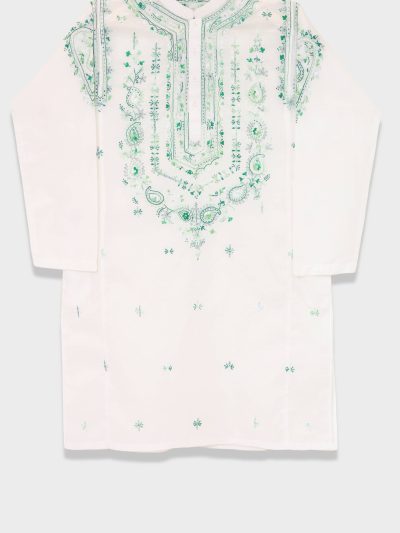
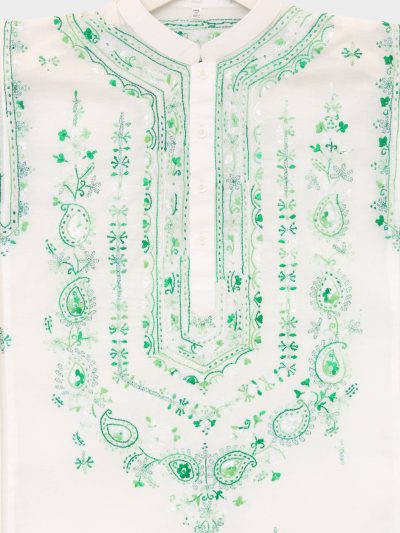
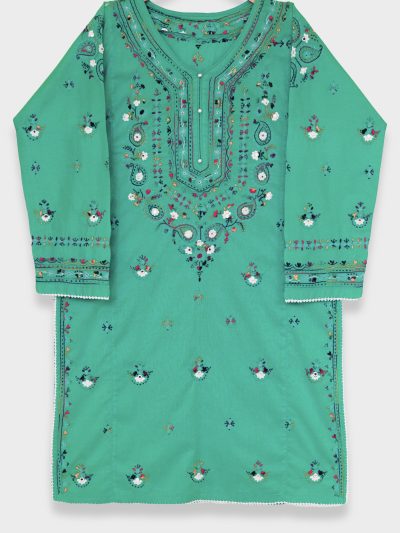
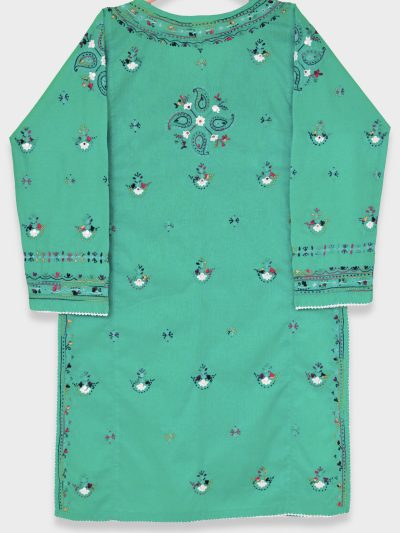
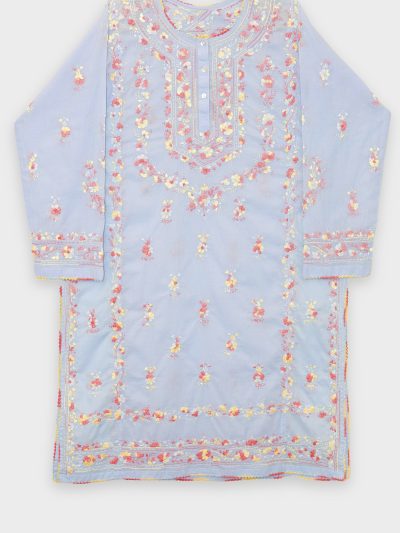
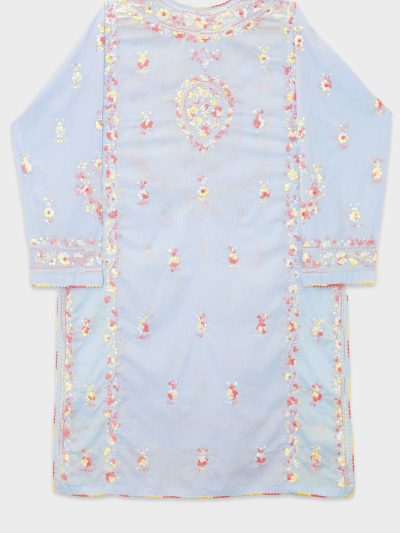
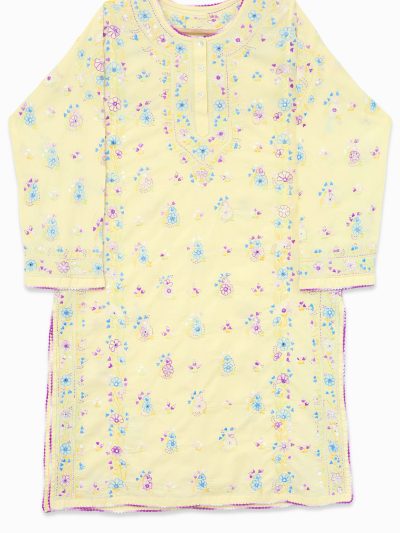
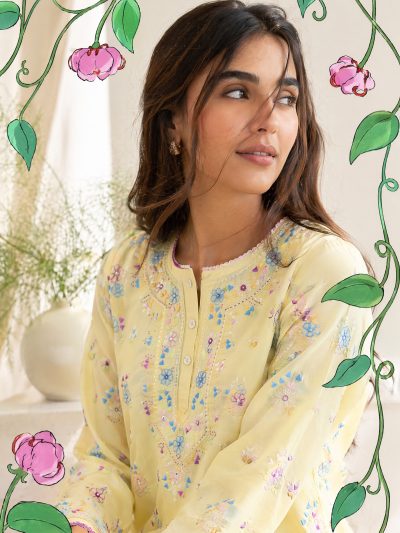
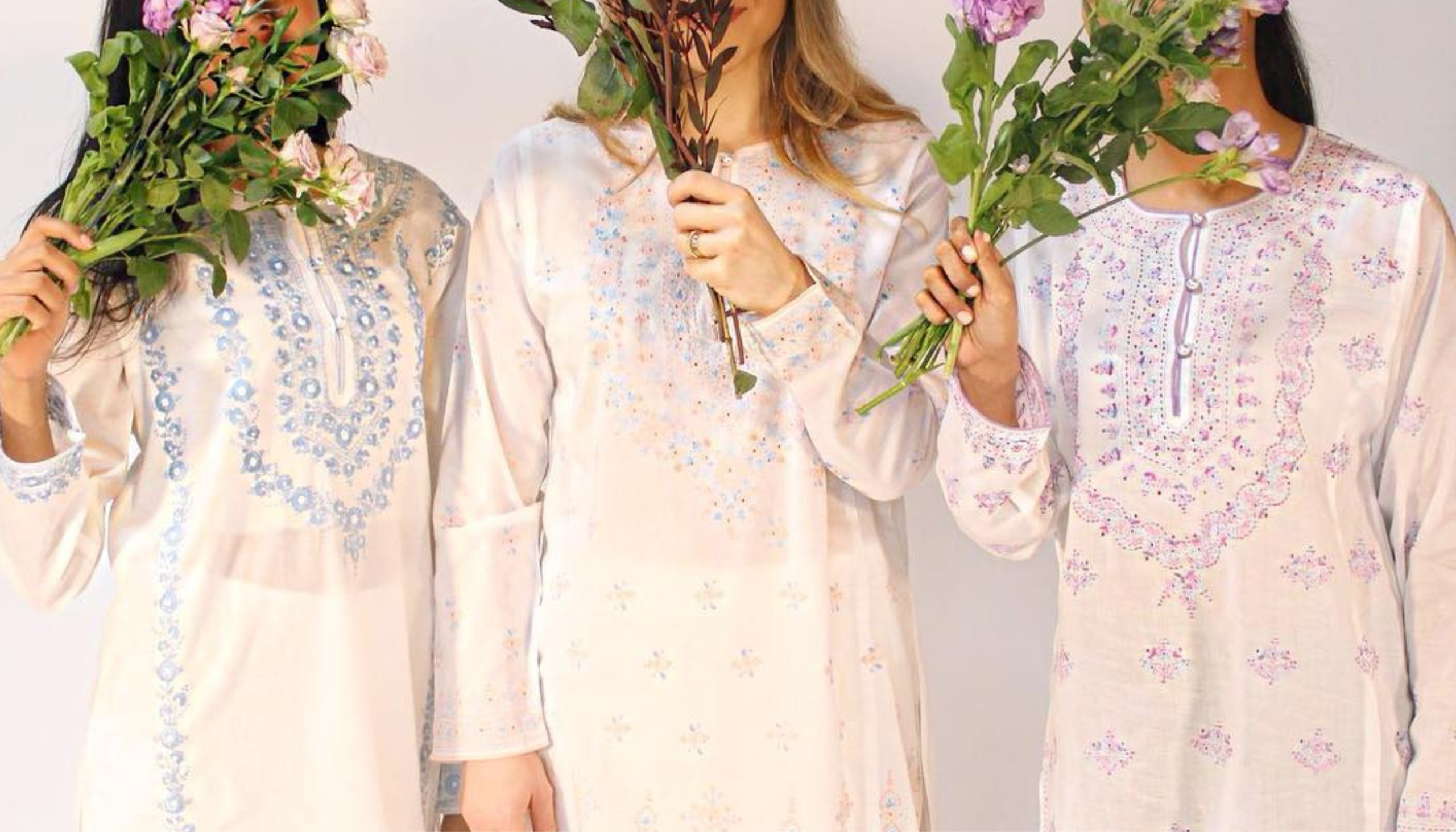
Hand embroidery. Hand-block printing. Natural dyeing. Traditional textile techniques. Vintage fabrics. Artisan-made details…practices that were once viewed as niche are increasingly becoming desirable.
The irony is that many of these methods have existed in Pakistan for generations. What feels new is the attention they’re finally receiving, and thank God for it! Consumers who once chased the newest print drop are now investing in garments that carry evidence of human hands. Slight imperfections are no longer flaws to be corrected; they are proof of authenticity.
The fashion industry often uses the word “luxury” to describe price. Increasingly, consumers are defining luxury differently. Luxury is time, skill, craftsmanship.
Luxury is knowing that a garment could not have been produced by the thousands. This shift towards slower, more intentional consumption is something I have witnessed firsthand through my slow fashion label, Princess & The Cake.

From the beginning, my love for fashion stems from the storytelling aspect, our roots/heritage, and preservation. Rather than chasing seasonal trends, I’ve always been drawn to garments that feel personal and enduring. Pieces that hold memories and that carry cultural significance…pieces that become part of someone’s life rather than simply part of a shopping basket!
The response has been incredibly encouraging. What I’ve noticed is that customers increasingly want clothing with meaning. They are curious about origins. They want to understand techniques. They appreciate craftsmanship. They value individuality. Perhaps most significantly, they want clothing that reflects who they are rather than what everyone else is wearing. That desire for individuality may ultimately explain why the traditional lawn formula feels less compelling today.

When every shirt, trouser, and dupatta features matching florals, personal style can become difficult to express. The aesthetic starts to feel predictable. Consumers naturally begin searching for something more distinctive. The rise of slow fashion isn’t simply a trend. It reflects a deeper cultural shift towards intentionality. People are buying less but buying better, they’re investing in pieces designed to last beyond a single season.
They’re supporting independent creators. They’re choosing craftsmanship over convenience. And they’re discovering that the most memorable garments are often the ones with a story behind them. Will lawn disappear? Of course not. Pakistan’s climate guarantees its relevance for years to come.
But the era of unquestioned lawn dominance may be fading. Today’s consumer is more informed, more selective, and more interested in authenticity than ever before. Fashion in Pakistan isn’t becoming less exciting…it’s becoming more personal.
You see, in a world saturated with sameness, handmade may well be the most luxurious thing of all.