By Fatima Bokhari
The first thing a handcrafted mirror catches is the light. The second is your attention.
Walk into a room wearing a garment adorned with tiny mirrors and something curious happens. Sunlight dances across the fabric. Candles scatter their glow. Every movement creates another flicker, another glint, another reason for someone to look twice. It feels joyful, celebratory even. Today, we often associate mirrorwork with festive clothing, heirloom jewellery and vibrant textiles, admiring it for its beauty alone.

Yet for centuries, those tiny mirrors were believed to do far more than sparkle. Long before mirrorwork became a defining feature of South Asian fashion, it carried a deeply spiritual purpose. Across communities in present-day Pakistan and India, mirrors stitched into clothing were thought to reflect away negative energy and protect the wearer from the evil eye, known throughout the region as nazar. The belief was powerful: a mirror would send harmful intentions back to their source before they could settle upon the person wearing them.
It is one of those remarkable examples of how craft once blurred the boundaries between beauty, belief and everyday life.
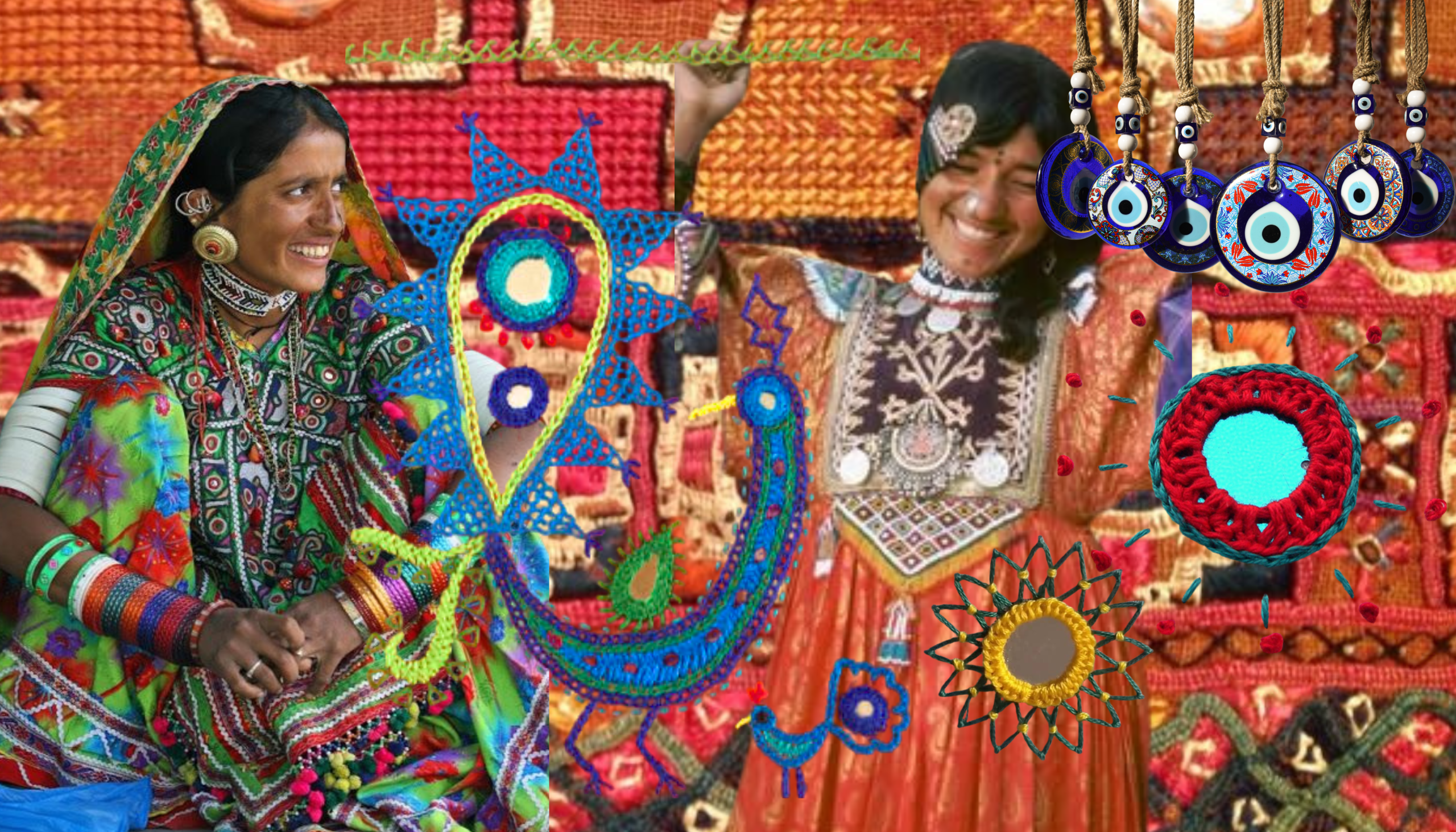
Although mirrorwork is most closely associated today with the desert cultures of Sindh, Balochistan, Gujarat and Rajasthan, its story begins much earlier. Ancient Egyptians gazed into polished bronze mirrors as symbols of rebirth, while Greeks, Romans and Persians believed reflective surfaces possessed protective and mystical qualities, capable of deflecting unseen forces and revealing hidden truths. As Persian glassmaking evolved and trade routes carried small mirror fragments eastward, artisans across the Indian subcontinent found a new purpose for them. Carefully stitched into textiles by hand, these tiny mirrors became far more than ornamentation; they became talismans, carrying centuries-old beliefs into garments that celebrated life’s most important moments.

Known as shisha embroidery – from the Persian word shisheh, meaning glass – mirrorwork eventually flourished in the desert landscapes of Sindh, Balochistan, Gujarat and Rajasthan. For pastoral and nomadic communities, it became woven into the rhythm of life. Women embroidered mirrors into wedding trousseaus, ceremonial garments, bags, wall hangings and even the decorative textiles draped over camels. Every region developed distinctive stitches and motifs that quietly told stories about identity, family and place. Mothers taught daughters, grandmothers taught granddaughters, and each generation added another chapter to an embroidery tradition that has endured for hundreds of years. In many ways, these garments became wearable heirlooms.
A bridal outfit adorned with mirrorwork wasn’t simply a dress. It represented months, sometimes years, of painstaking hand embroidery. Every stitch carried the fingerprints of the women who had gathered together to create it. Every tiny mirror reflected not just light but memory, of conversations shared over embroidery hoops, of celebrations yet to come, of hopes stitched carefully into cloth. Even today, artisans speak of mirrorwork with reverence. Unlike sequins or machine embellishments, every mirror must be individually secured by hand before decorative embroidery surrounds it, locking it into place. It is meticulous work requiring remarkable patience and precision. There are no shortcuts. The human hand remains at the heart of the process.

Perhaps that is why handcrafted mirror embroidery possesses a warmth that machines have never managed to imitate. There is also something poetic about mirrors themselves. A mirror reflects without judgement. It captures the world exactly as it is, if only for a fleeting moment. Across many cultures, mirrors have long symbolised truth, self-awareness, protection and transformation. In South Asia, they became woven into folklore as silent guardians against unseen forces, but they also came to represent celebration, abundance and joy. They transformed everyday garments into something alive, constantly changing as the wearer moved through shifting light.
That symbolism continues to resonate today, even if many people no longer know its origins.

For contemporary designers committed to preserving traditional craftsmanship, mirrorwork is far more than a decorative flourish. It is a living connection to the generations of artisans who perfected these techniques long before fashion seasons and trend cycles existed. It reminds us that clothing can carry stories as much as it carries thread.
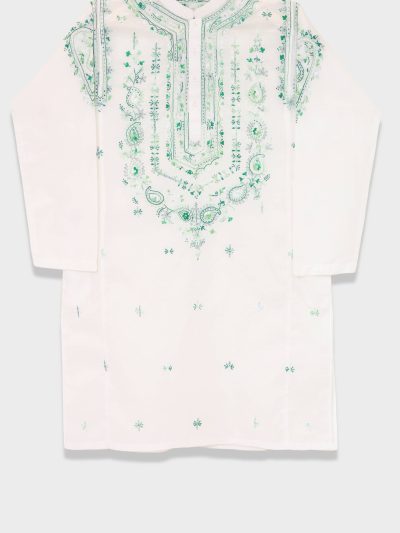
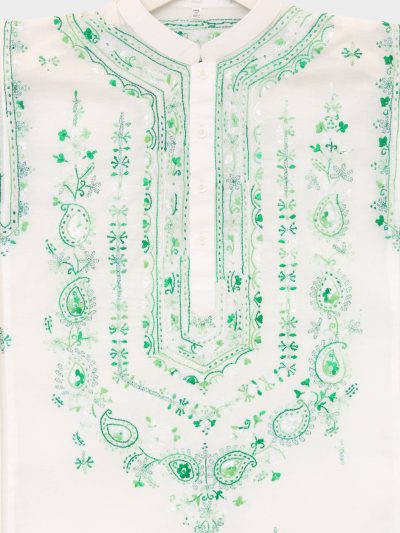
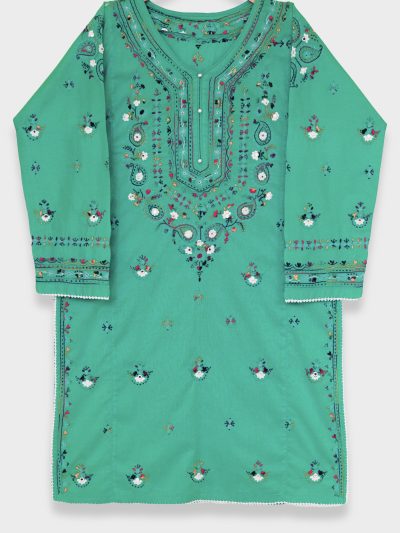
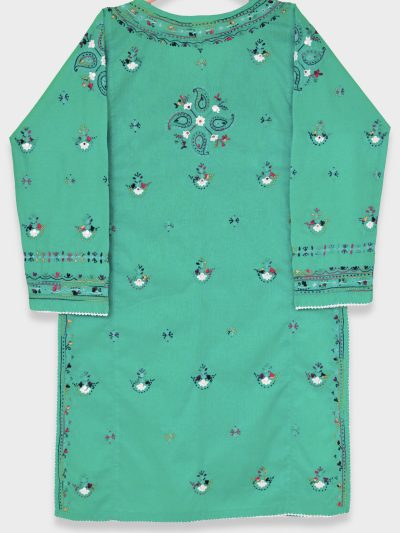
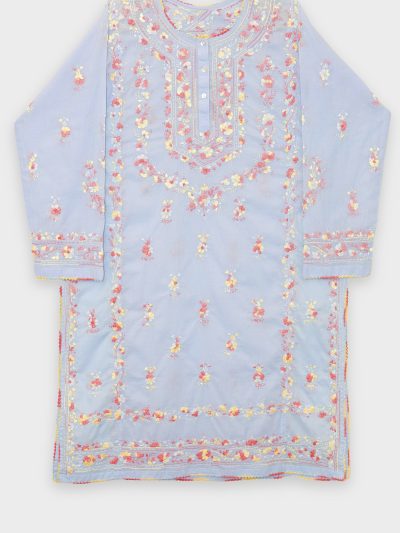
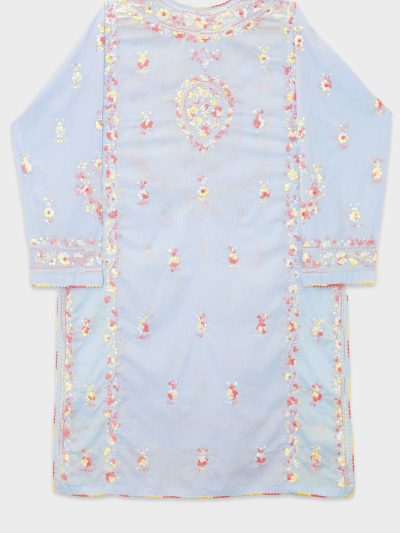
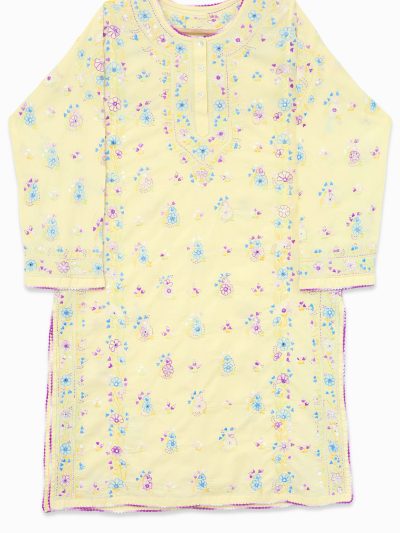
This philosophy lies at the heart of Princess & The Cake. Each handcrafted piece featuring mirrorwork celebrates not only the extraordinary skill of the artisans who create it, but also the cultural heritage embedded within every stitch. Produced slowly by hand, these garments honour techniques passed down across generations, ensuring they remain relevant in a world increasingly dominated by fast fashion and mass production.

When mirrorwork appears on a Princess & The Cake kurta, it isn’t there simply to shimmer under the light. It is there because it connects the present to the past. It celebrates communities whose artistry has survived centuries of change, while giving those traditions a contemporary voice for women who value craftsmanship, heritage and meaning in equal measure.
Perhaps that is why mirrorwork continues to captivate us. Not because it sparkles, although it certainly does, but because somewhere beneath every tiny fragment of glass lies an older story, one of protection and deep-seated resilience. And every time the light catches those tiny mirrors, even for just a second, it feels as though they are still doing what they were always meant to do: reflecting something beautiful back into the world.