By Fatima Bokhari
Mindfulness has become a modern obsession.
There are meditation apps, breathing techniques, silent retreats and digital wellness coaches, all promising to help us slow down in an increasingly distracted world. Yet long before smartphones reminded us to pause, generations of people had already discovered a remarkably simple way to quiet the mind.
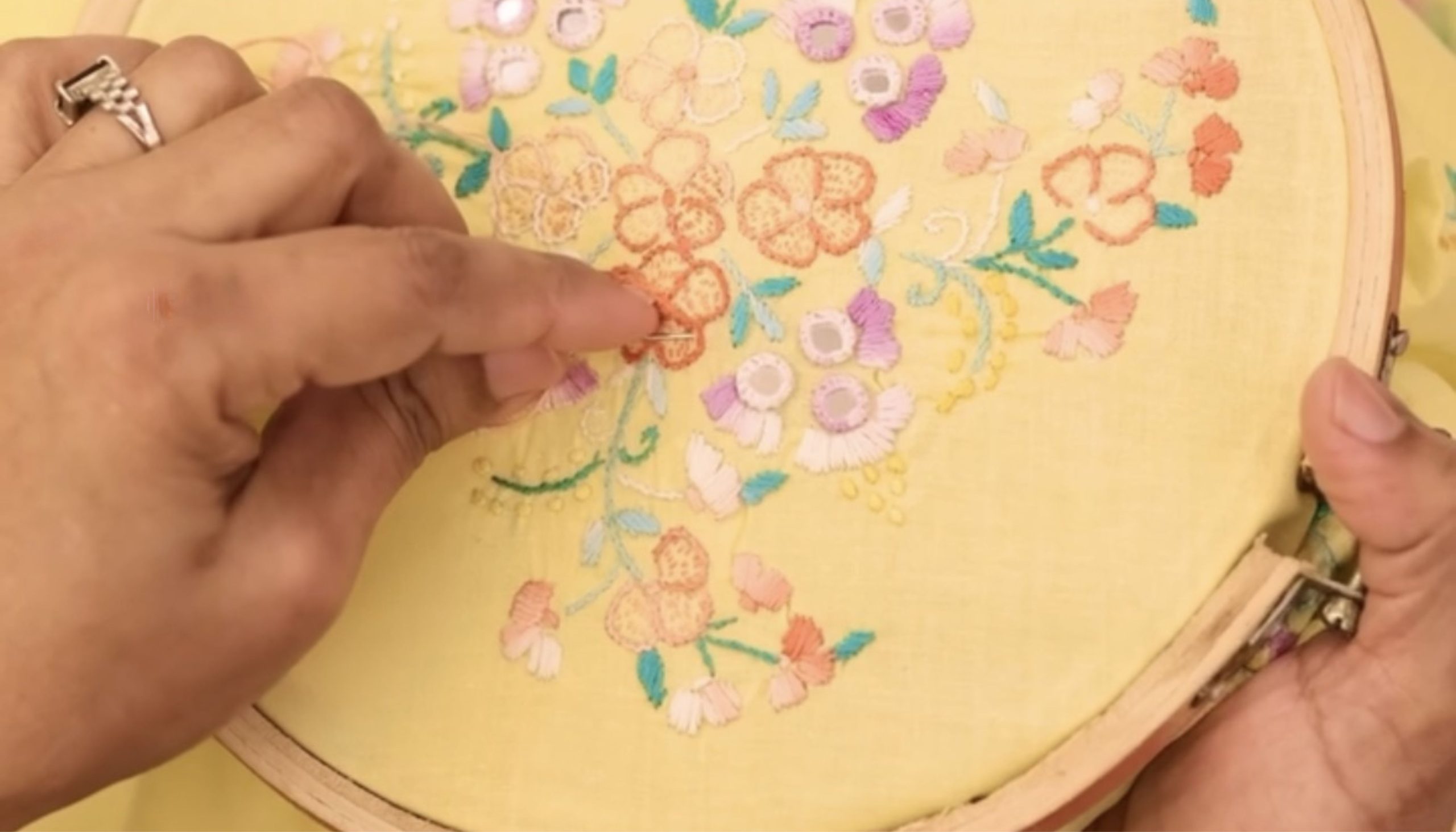
They embroidered. Across cultures, embroidery, weaving and needlework were far more than practical household skills. They were deeply rhythmic practices that invited focus, patience and presence. With every repeated stitch, the mind settled. Time softened. The outside world became quieter.
Today, neuroscience is beginning to explain why.

Psychologists studying repetitive handcrafts have found that activities such as embroidery, knitting and weaving encourage what researchers call a ‘flow state’ – a mental condition in which complete concentration replaces anxiety, self-consciousness and mental clutter. During flow, people often lose track of time while experiencing heightened calm and satisfaction.
The mechanism is surprisingly simple. Embroidery requires sustained attention without overwhelming the brain. The hands repeat familiar movements while the mind focuses on colour, texture and pattern. Unlike endlessly scrolling through a screen, stitching asks us to be fully present in a single moment.
Many therapists now recommend creative handcrafts as complementary tools for managing stress, anxiety and even symptoms of depression. Studies suggest that repetitive textile work may lower stress hormones, improve emotional regulation and increase feelings of accomplishment.
The process matters as much as the finished piece.

Historically, this connection between handcraft and well-being was understood intuitively rather than scientifically. Across Asia, Europe, Africa and the Middle East, embroidery often became part of daily rituals that punctuated busy lives. Women gathered together to stitch while sharing stories, preserving traditions and strengthening community bonds.
Needlework was rarely hurried. Unlike today’s culture of instant results, embroidery celebrates gradual progress. A single motif may require hours. A complete garment can take weeks, sometimes months. Every stage asks the maker to trust the process rather than chase immediate gratification.
There is something radical about that philosophy. Modern life rewards speed. Productivity is measured in notifications answered, emails sent and deadlines met. Embroidery refuses those rules. It insists that beautiful things deserve time. Perhaps that explains why slow fashion has gained momentum alongside the broader slow living movement. Consumers are beginning to question whether buying fewer, better-made garments might be more satisfying than constantly replacing inexpensive clothing.

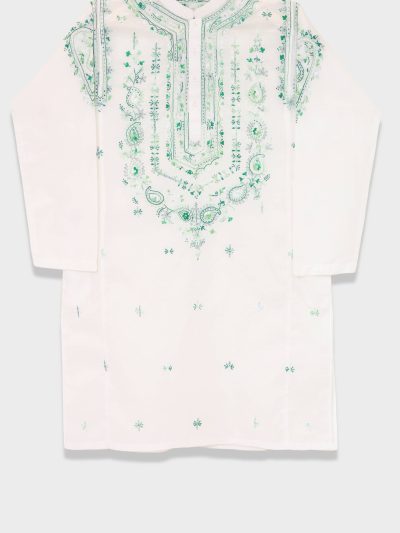
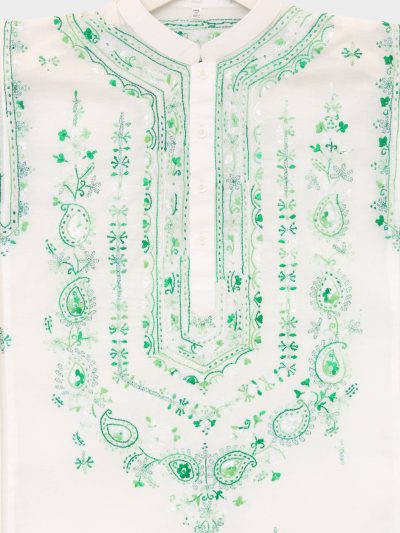
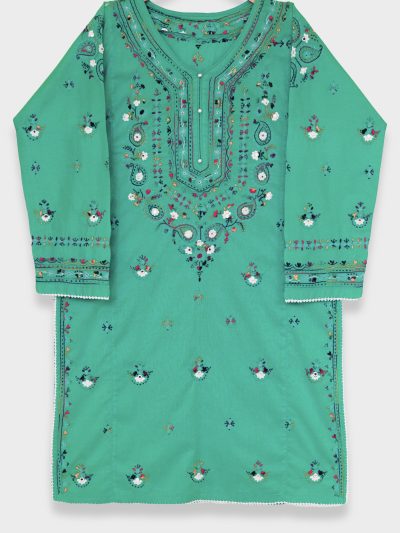
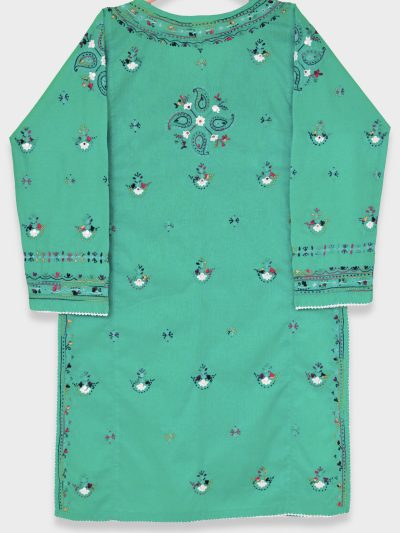
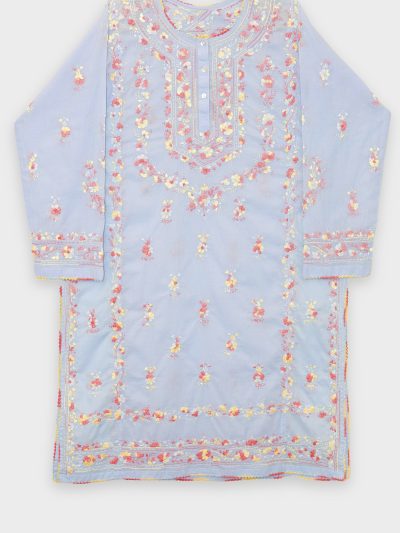
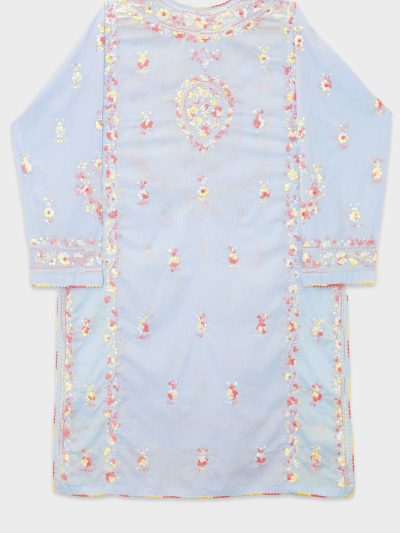
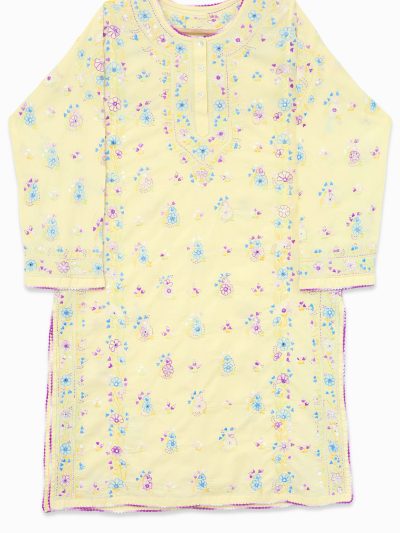
Hand embroidery embodies that idea perfectly. When you hold an embroidered garment, you are also holding hours of unseen human attention. Behind every floral motif or geometric border lies remarkable patience, technical mastery and artistic judgement. The value cannot be separated from the time invested.
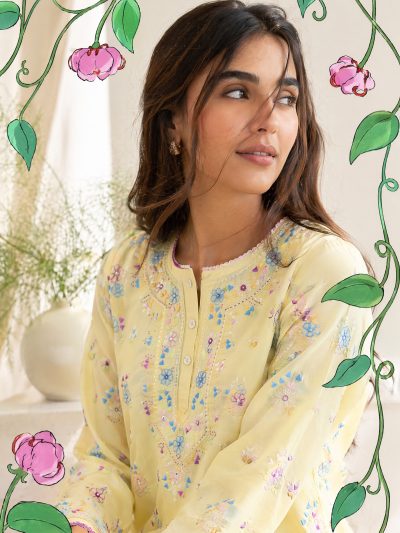
At Princess & the Cake, this slower philosophy quietly shapes every handcrafted collection. The intricate embroidery found across its garments reflects not only exceptional artisan skill but also a respect for traditions that cannot (and should not) be rushed. Every stitch celebrates craftsmanship over convenience.
Interestingly, the benefits of embroidery are not limited to those who create it. People often describe wearing handcrafted clothing differently from wearing mass-produced fashion. Knowing a garment has been embroidered by skilled artisans creates a deeper emotional connection. It feels more personal, more intentional and more enduring. In many ways, handmade clothing invites us to move differently too.

We care for it more carefully, we remember where we wore it. Over time, those garments gather stories of their own. Perhaps that is why hand embroidery continues to endure despite centuries of technological progress. Machines can imitate patterns with astonishing precision, but they cannot replicate the quiet concentration that shaped the original.
In a world moving faster every year, hand-embroidery asks us to slow down, if only for a length of a thread.