In Pakistan, where centuries-old craft traditions quietly underpin everyday life, the idea of “slow” has never truly been foreign. It lives in the rhythm of a handloom in Sindh, in the careful placement of mirrorwork in rural Punjab, in the generational memory carried through embroidery that refuses to be hurried. And yet, in today’s global fashion economy, dominated by speed, scale, and algorithm-driven trends – this pace has been overshadowed.
Fast fashion has reshaped not just how we buy, but how we value. According to research by the Ellen MacArthur Foundation, the equivalent of one garbage truck of textiles is landfilled or burned every second globally, a statistic that reveals not only environmental urgency, but a cultural disconnect. Clothing, once made to last, has become transient.
Princess & The Cake (PATC) exists in deliberate opposition to this reality. Its philosophy is simple, but not easy: do not rush what is meant to be felt.
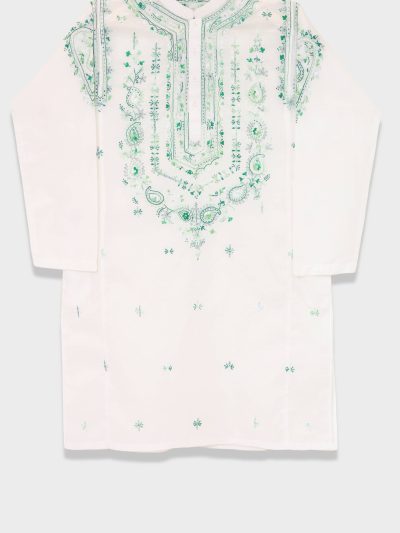
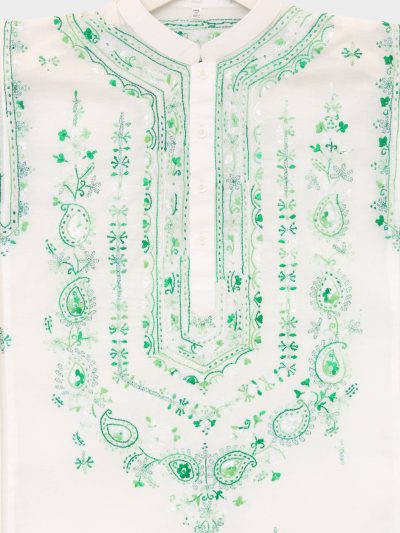
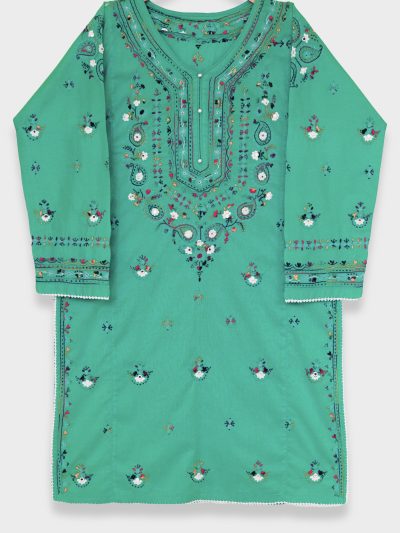
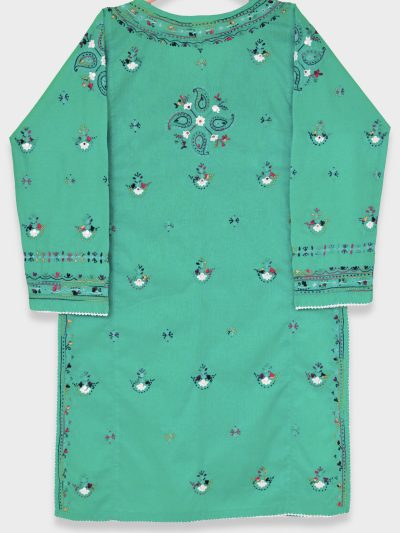
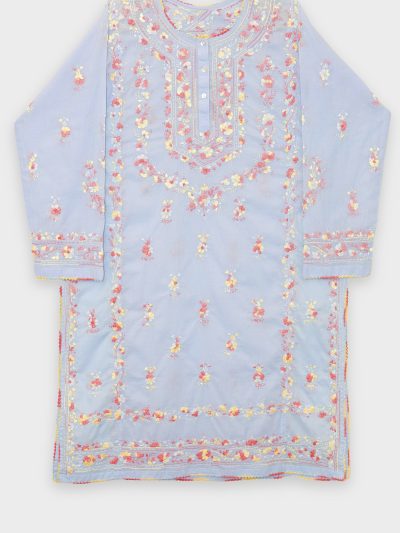
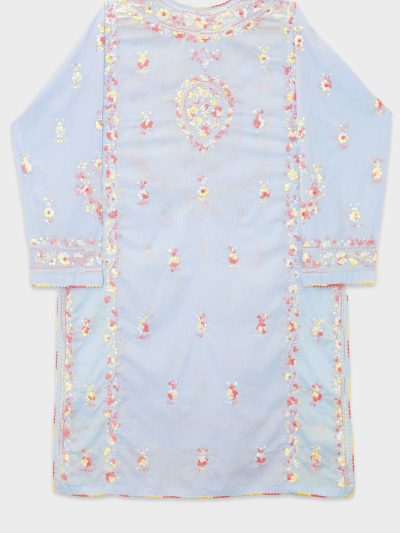
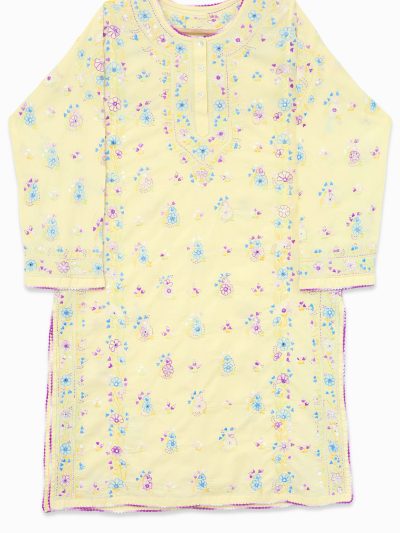
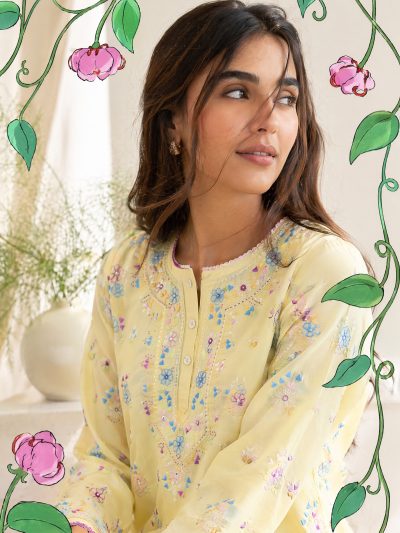
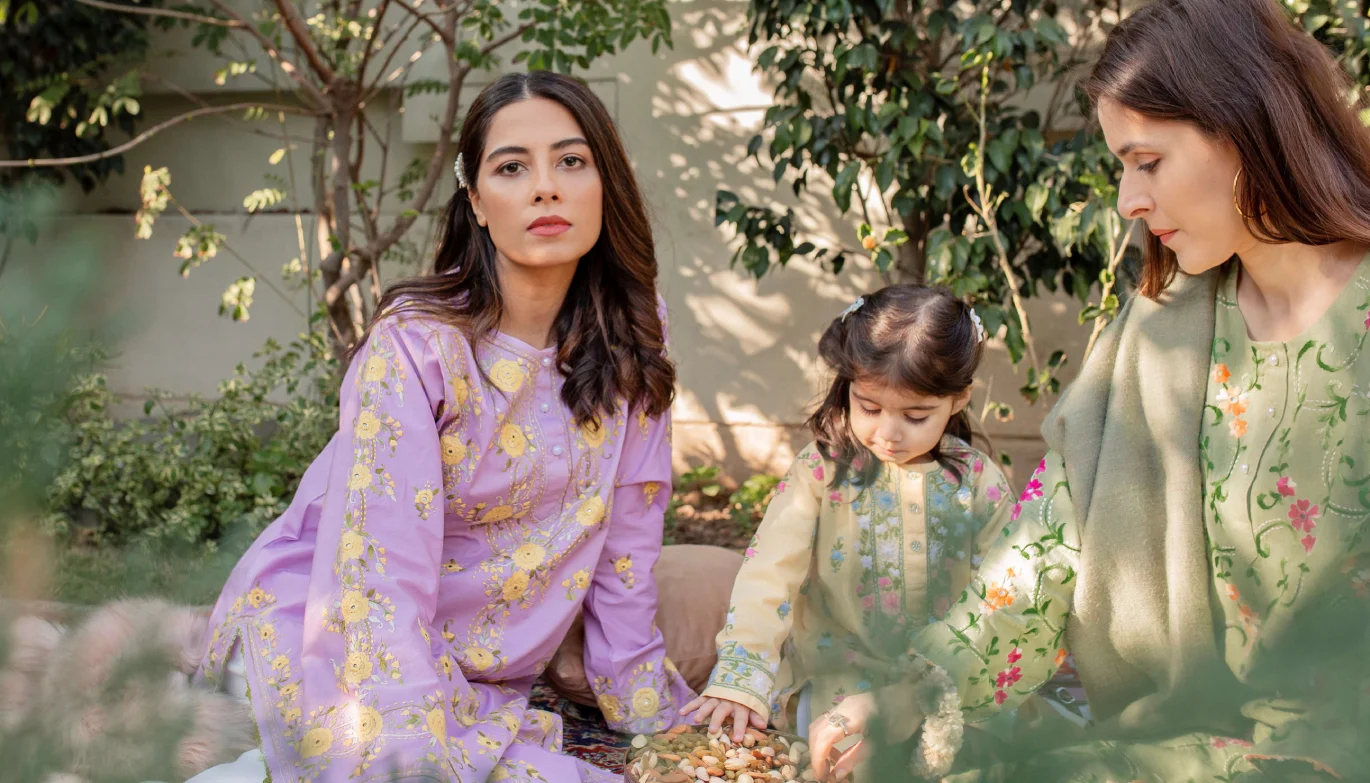
Each PATC collection is released in very limited batches, shaped by hand and grounded in South Asian craftsmanship. This is not a constraint – it is a choice. In an industry where efficiency often means automation, PATC chooses preservation. Techniques like intricate embroidery and mirrorwork are not treated as aesthetic add-ons, but as living practices – skills carried by artisans whose work cannot, and should not, be replicated by machines.
To rush such work would be to strip it of meaning. A hand-finished garment carries the subtle irregularities that signal authenticity – the human touch that distinguishes it from mass production. These “imperfections” are, in truth, markers of care.
There is also an ethical dimension to slowness that is often overlooked. Producing less allows for more transparent relationships with artisans. It creates space for fair wages, for respect, for time to be valued rather than compressed. In Pakistan’s craft economy, where many traditional skills are at risk of disappearing, this approach becomes not just a design philosophy, but a form of cultural stewardship.
Historically, clothing in South Asia was never disposable. Garments were mended, reworked, and passed down. Bridal wear became heirloom; everyday pieces became memory. PATC draws from this lineage, creating clothing designed to outlive seasons.
Our refusal to mass-produce is not about exclusivity for its own sake. It is about recalibrating value…reminding us that clothing can be intentional, not impulsive; enduring, not ephemeral.
In choosing not to rush, PATC is not falling behind. It is moving differently – anchored in craft, guided by care, and aligned with a future where fashion remembers its past.
Because in the end, what we take time to make is often what we value the most.