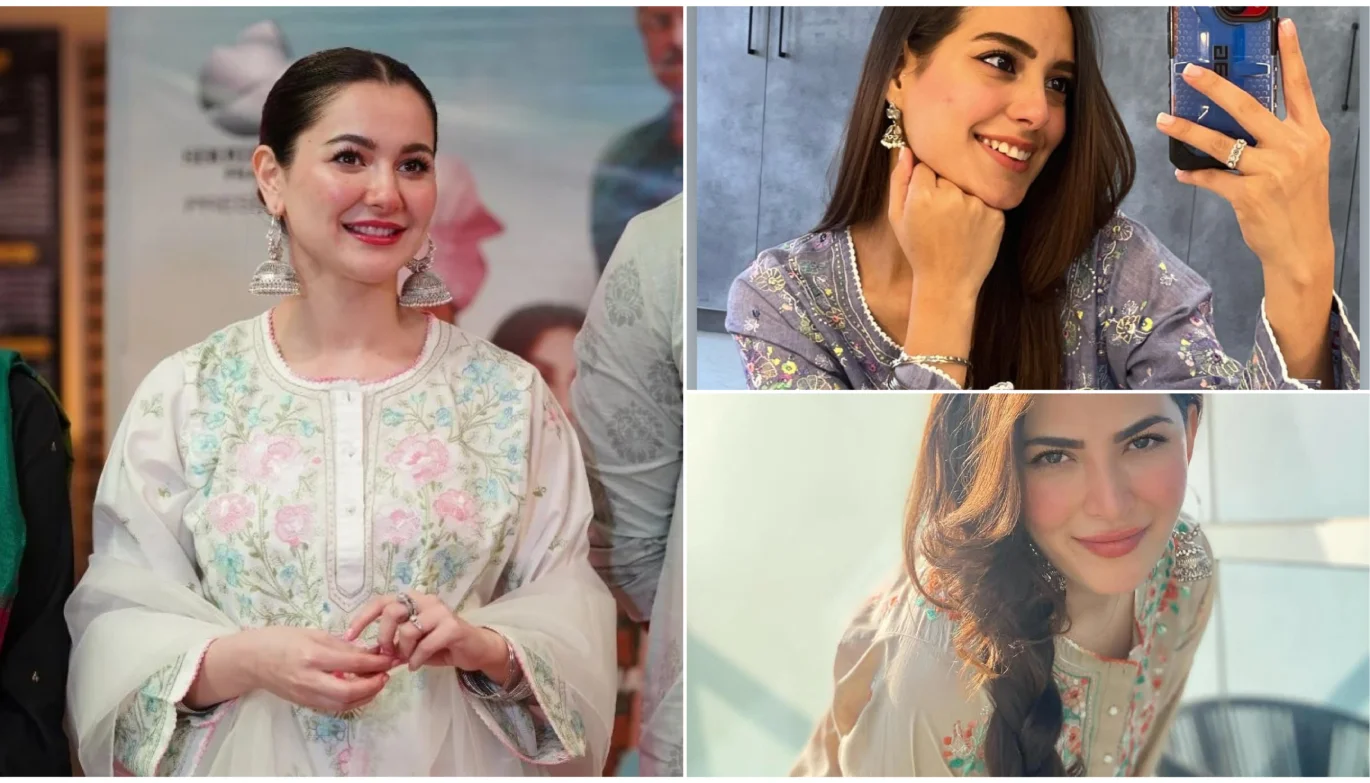
The kurta has never needed reinvention to remain relevant. And yet, it has continually evolved – quietly absorbing influences, adapting to context, and reasserting its place in both local and global wardrobes.
In Pakistan, the kurta is more than clothing; it is cultural shorthand. It moves effortlessly between spaces – worn at home, at work, at celebrations. Its origins trace back centuries, shaped by Central Asian and Mughal influences, but its endurance lies in its adaptability. Few garments have managed to remain so constant, yet so fluid.
Over the decades, the kurta has crossed cultural and geographic borders, finding its way into the wardrobes of global style icons. Perhaps most memorably, Princess Diana was photographed during her 1996 visit to Lahore wearing an elegant, understated kurta by Rizwan Beyg, a moment that subtly signalled the garment’s global resonance.

Known for her instinctive approach to diplomatic dressing, Diana chose the kurta not as costume, but as respect, an acknowledgment of place, culture, and ease. It was a look that felt both effortless and intentional, one that allowed her to blend into her surroundings while quietly elevating a distinctly South Asian silhouette onto the world stage. Since then, the kurta has continued to appear in international style narratives, not through spectacle, but through its quiet adaptability – moving across borders, wardrobes, and contexts while holding firmly onto its identity.
Today, as global fashion turns its gaze toward heritage and authenticity, the kurta is experiencing a renewed moment. Princess & The Cake (PATC) approaches the kurta not as a relic, but as a living form.
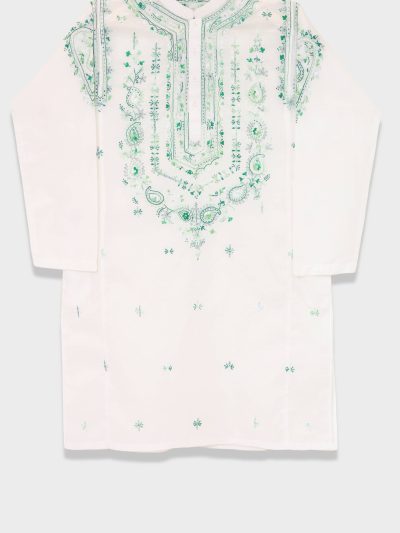
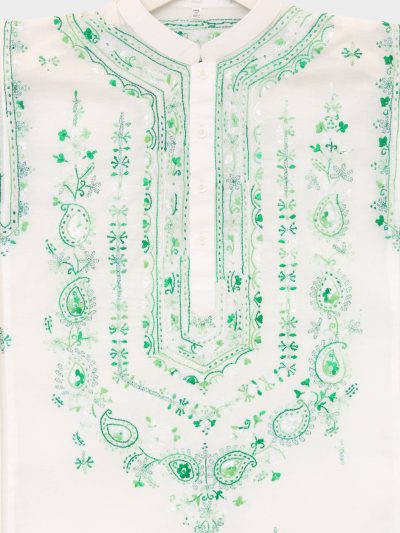
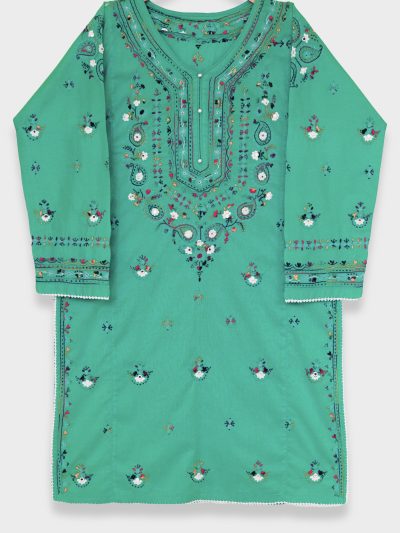
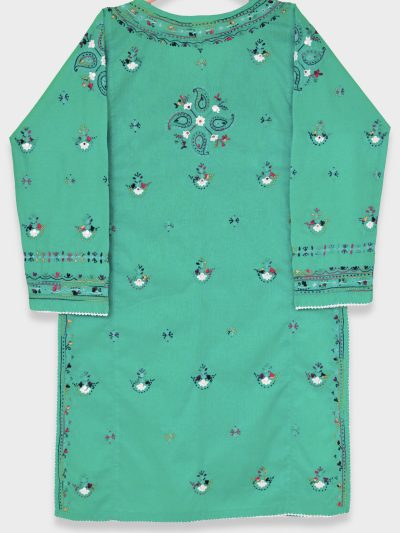
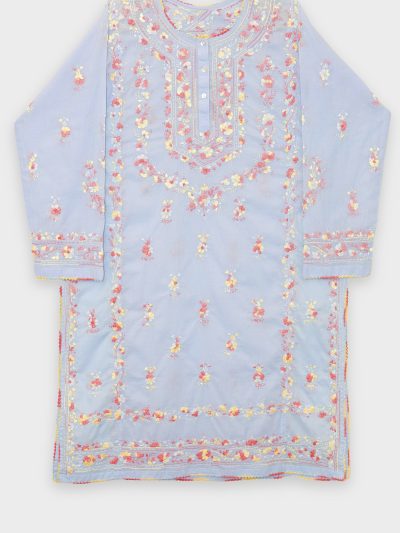
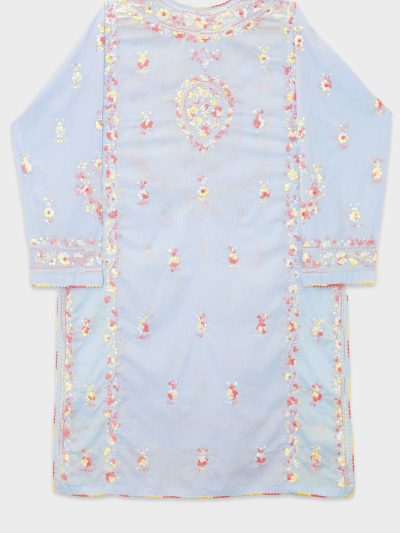
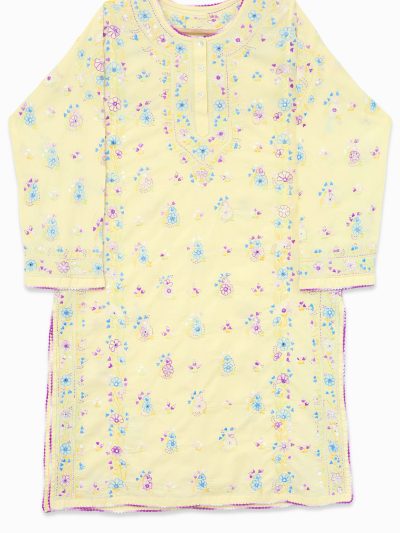
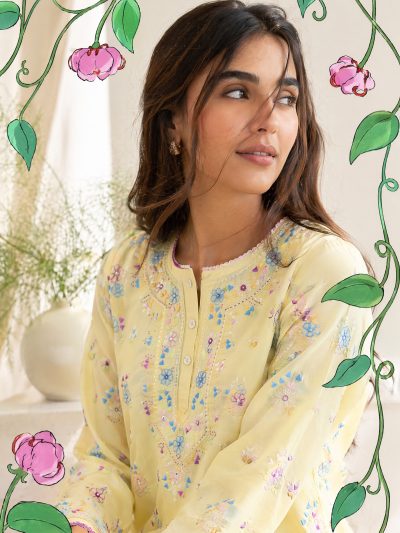
At PATC, the kurta is reimagined through subtle shifts rather than dramatic departures. Silhouettes are refined, proportions reconsidered, and details – like delicate embroidery or mirrorwork – are integrated with restraint. The result is a garment that feels contemporary without losing its cultural grounding.
This balance is critical. In the globalisation of South Asian fashion, there is often a tension between reinterpretation and erasure. When traditional garments are removed from their context, they risk becoming aesthetic rather than meaningful. PATC navigates this space with intention, ensuring that each design remains anchored in the techniques and narratives from which it emerges.
The kurta’s versatility also lends itself to modern lifestyles. It transitions across occasions, climates, and identities. Increasingly, it is being styled in ways that blur boundaries – paired with tailored separates, worn in minimalist palettes, or adapted into gender-fluid wardrobes. This adaptability positions the kurta not just as traditional attire, but as a global design language.
There is also a quiet power in its simplicity. In a fashion landscape often driven by excess, the kurta offers ease – of movement, of wear, of expression. It does not demand attention, it holds it.
For PATC, bringing the kurta into contemporary wardrobes is not about reinvention for novelty’s sake. It is about continuity. It is about ensuring that a garment so deeply embedded in South Asian identity continues to evolve in ways that feel authentic.
As Pakistani fashion gains greater international visibility, the kurta stands as one of its most recognisable forms. Through thoughtful design and craftsmanship, PATC contributes to this narrative – positioning the kurta not just as heritage, but as modern luxury.
Because true icons do not need to be replaced. They need to be understood – and, occasionally, reimagined.