By Fatima Bokhari
Earth Day has a way of making all of us pause, even if briefly, and think about the impact of the choices we make every day. In fashion, that question feels especially urgent. We are surrounded by more clothes than ever before, more trends, more drops, more reasons to buy. And yet, the idea of ‘slow fashion’ continues to surface, quietly but persistently, asking us to reconsider
everything.
But what does slow fashion actually mean?
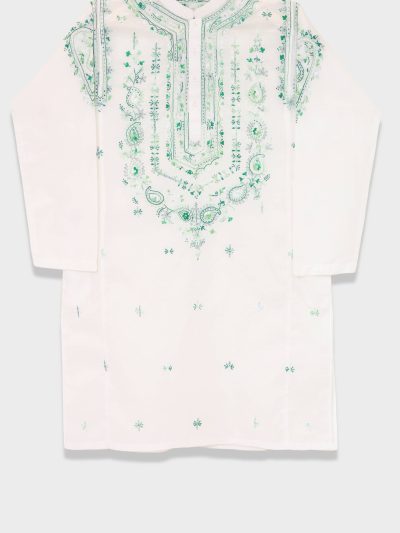
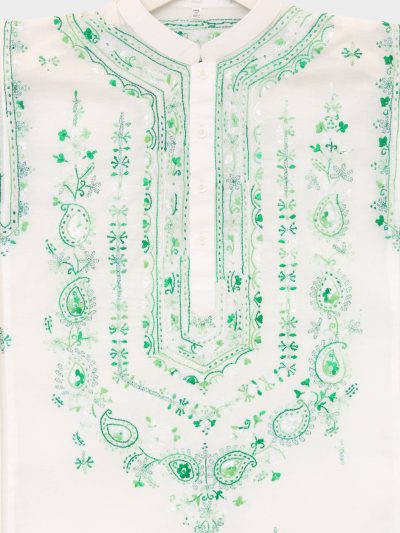
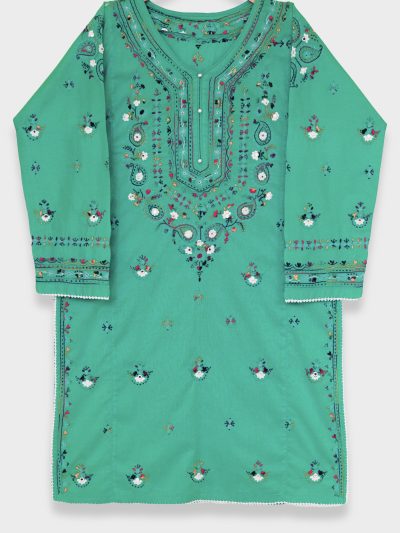
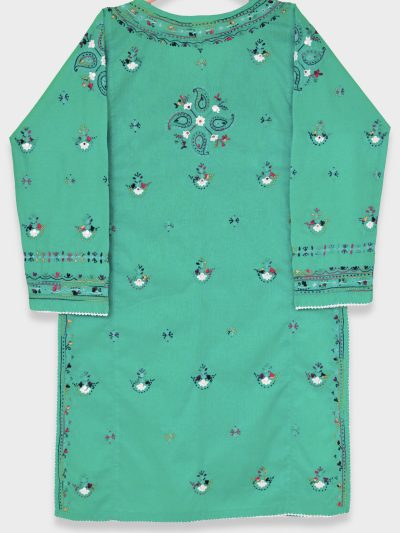
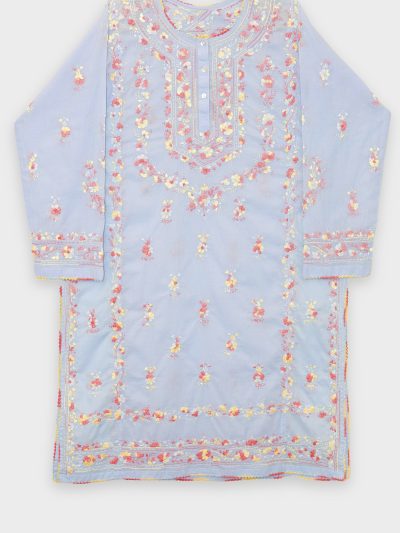
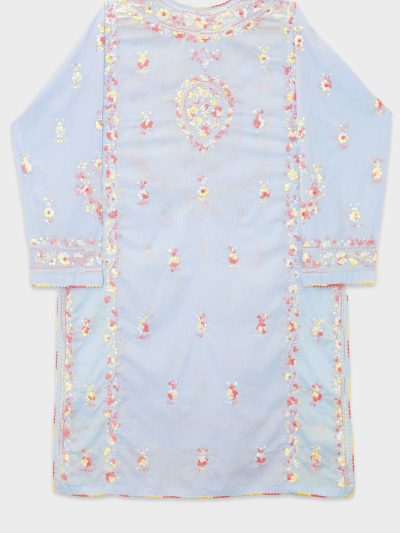
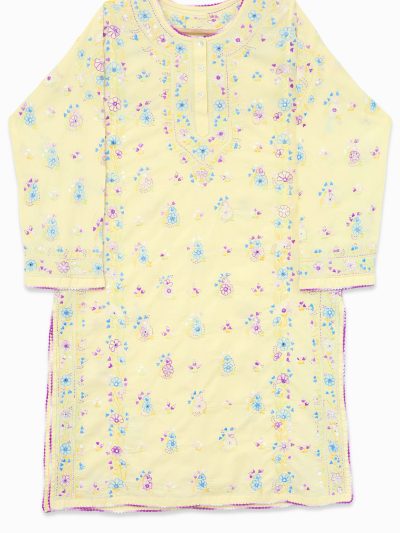
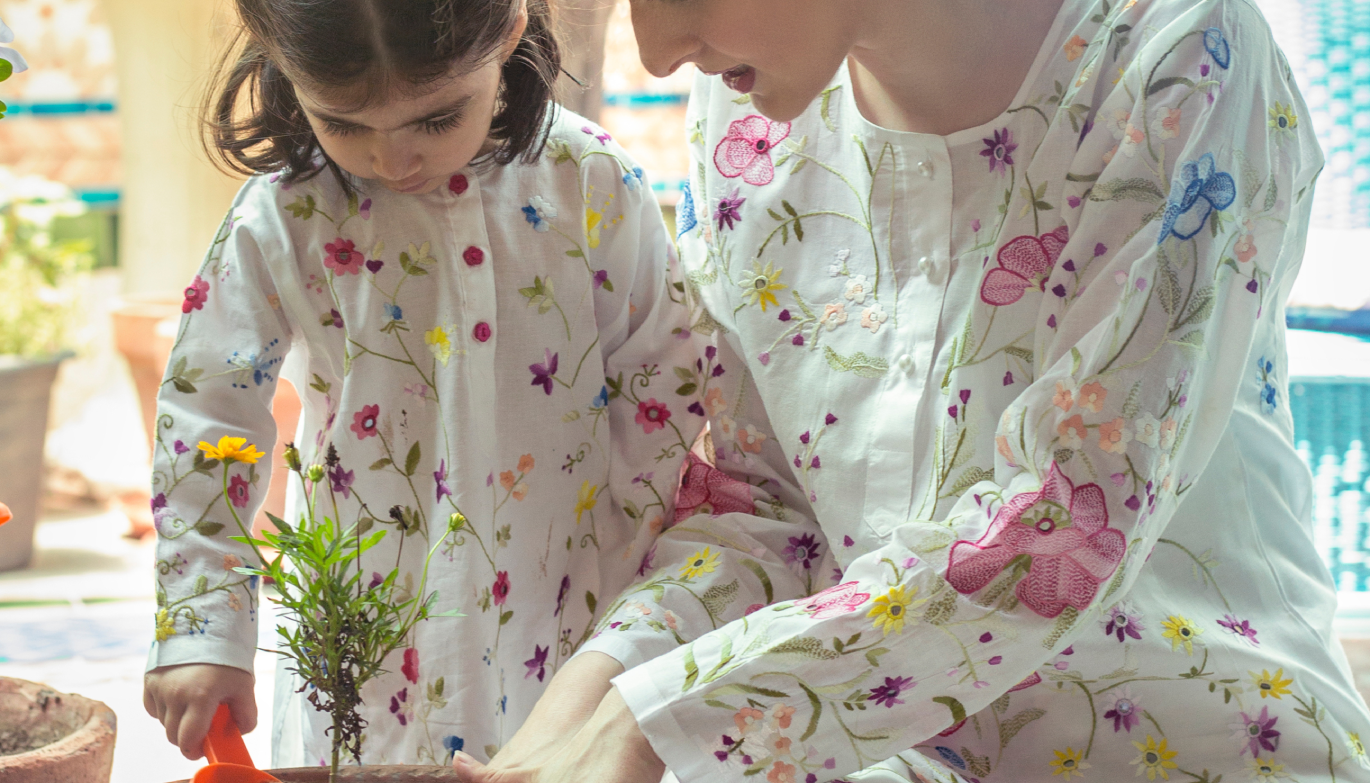
For me, it begins with something simple, and often overlooked, time. Time to make something well. Time to pay attention. Time to care. Slow fashion is not about doing less for the sake of it, it is about doing things properly. Each piece is created with intention, often by hand, with a level of detail that cannot be rushed. There is a rhythm to it that is very different from the urgency of mass production. It values process as much as outcome.
It also places people at the centre of that process. Behind every garment is a person, sometimes many people, whose skill, patience, and labour bring it to life. Slow fashion means recognising that, supporting artisans, ensuring fair wages, and respecting the dignity of work. These are not abstract ideas, they are everyday decisions that shape how something is made.
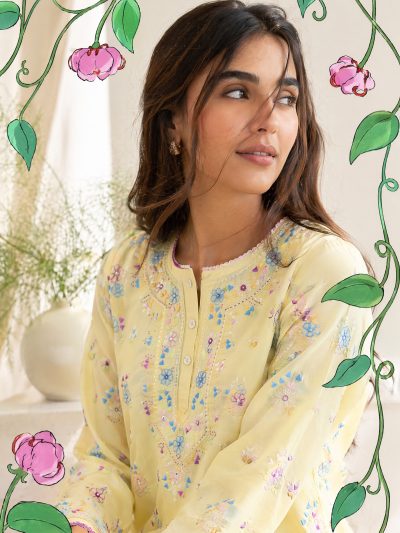
There is also a deep respect for craft. Techniques like hand embroidery, mirror work, and other traditional practices are not just design elements, they carry history. They are stories, passed down through generations, translated into fabric. When we choose slow fashion, we are choosing to keep those stories alive, to value them in a world that often moves too quickly to notice.
Another important part of slow fashion is scale, or rather, the refusal to chase it blindly. Small batches are central to this way of working. Pieces are not mass produced or overstocked. They are made in considered quantities, which reduces waste and allows for a more thoughtful approach to design and production. There is something more personal about a garment that has not been replicated thousands of times. It feels intentional, not excessive.
And then there is longevity. Slow fashion asks a simple question, will you still want to wear this a year from now? Five years from now? It encourages us to move away from impulse and towards investment. These are pieces meant to be worn, re worn, and held on to. They are not disposable. They become part of your life in a quieter, more lasting way.
But this is where the conversation becomes more complex. Because slow fashion is not just about how brands operate, it is also about how we, as consumers, respond. It asks us to choose differently. To buy less, to choose well, to think about where something comes from and what it represents. That shift is not always easy, especially when fast fashion is designed to be
convenient, accessible, and tempting.
At Princess & the Cake, this way of thinking has shaped how we work from the very beginning. Since 2017, we have built the brand around small batches and slow, considered production. We have never been interested in mass producing for the sake of keeping up. Instead, we focus on creating pieces that feel meaningful, both in how they are made and how they are worn.
Even the smallest details matter to us. Our tags, for instance, are made from eco-friendly seeded paper by Good Karma, a sustainable stationery company in Pakistan. When planted, they bloom into wildflowers. It is a small gesture, but it reflects a larger intention, to be mindful of our footprint, to think about what we are putting out into the world, and what remains after.
As a small business, these choices are not always the easiest or the most profitable in the short term. But they are the ones that feel right. They allow us to stay connected to why we started, and to build something that aligns with our values.
Slow fashion is not a perfect solution, and it is not something that can exist in isolation. It requires a shift on both sides, from brands that are willing to take the harder path, and from consumers who are willing to engage more thoughtfully with what they buy. And maybe the idea of Earth Day is not just about one moment in the year, but a reminder that every day asks a little
more awareness, a little more care, in how we choose to live and what we choose to wear.